Against the backdrop of rapid expansion in the new energy vehicle and energy storage industries, the reliability of wire harness connection processes directly determines vehicle safety performance and service life. Ultrasonic metal welding machines achieve solid-state metallurgical bonding through high-frequency mechanical vibration, becoming the mainstream choice to replace traditional crimping processes. This article systematically compares ultrasonic welding and crimping processes from five dimensions—technical principles, product selection, specification analysis, application validation, and procurement decisions—providing complete technical references for B2B engineering decision-makers.
Product Overview: Technical Positioning and Process Value of Ultrasonic Metal Welding
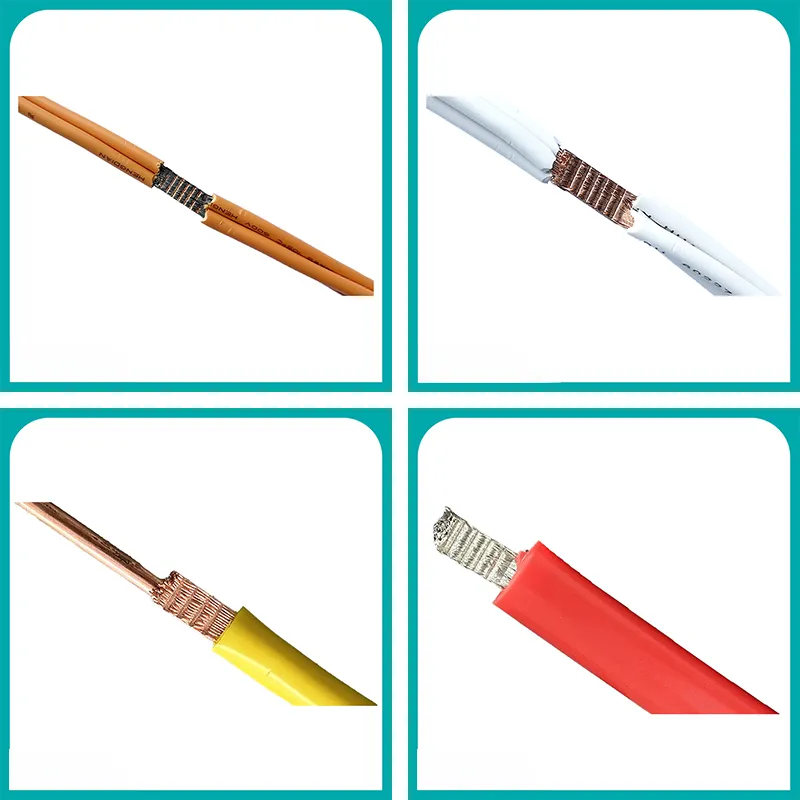
The ultrasonic metal welding machine converts electrical energy into high-frequency mechanical vibration above 20KHz through a transducer, creating solid-state metallurgical bonding at metal contact surfaces under pressure. Compared with traditional crimping processes, this technology requires no metal melting and no flux, fundamentally eliminating failure modes of increased contact resistance and mechanical loosening. From the perspective of Ultrasonic Welding vs Crimping for Wire Harness, ultrasonic welding shows particularly outstanding advantages in copper-aluminum dissimilar metal connections, large-cross-section wire harness welding, and high-vibration automotive environments.
This product series covers five power levels from 3000W to 12000W, with welding areas extending from 0.35mm² to 120mm², meeting full-scenario needs from precision sensors to energy storage copper-aluminum busbars. All equipment passes CE, FCC, and ISO certification systems, featuring automation integration interfaces to provide standardized solutions for production line upgrades.
Technical Specifications: Full-Series Parameter Comparison and Selection Basis
The table below summarizes core parameters of current mainstream models, allowing purchasers to perform preliminary matching based on wire diameter range, workshop space, and production capacity requirements. All data comes from factory actual measurements, ensuring accuracy of technical selection.
| Model | Power | Welding Area | Weight | Dimensions | Application Scenario |
|---|
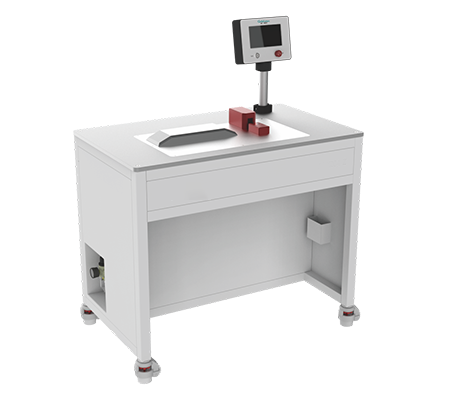
| YN-P203-F | 3000W | 1-100mm² | 73KG | 565×269×442mm | Precision electronics, sensors |
| YN-X203-Y | 3000W | 0.35-20mm² | 88KG | 670×520×410mm | High-efficiency precision metal welding |
| YN-X204-Z | 4000W | 1-30mm² | 132KG | 1020×610×1200mm | Lithium battery pack wire harness |
| YN-X206-Z | 6000W | 10-50mm² | 118KG | 1020×610×1200mm | Power battery high-voltage wire harness |
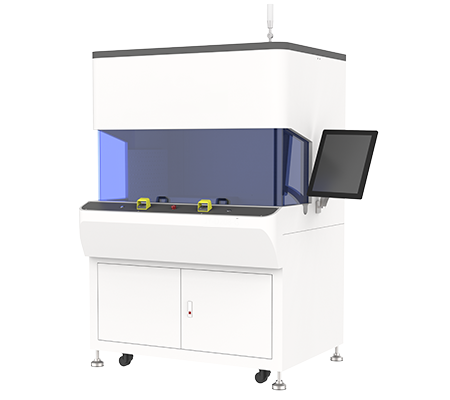
| YN-D206-G | 6000W | 15-50mm² | 192KG | 1400×760×2000mm | High-voltage wire harness copper-aluminum terminals (split type) |
| YN-D208-G | 8000W | 20-70mm² | 957KG | 1750×1050×2150mm | Large wire harness copper-aluminum busbars |
| YN-D2012-G | 12000W | 35-120mm² | 988KG | 1750×1050×2150mm | Flagship energy storage copper-aluminum busbar welding |
| JY-D204-F | 4000W | 1-35mm² | 82KG | 660×350×680mm | General copper-aluminum terminal welding |
Product Features: Core Technical Advantages and Engineering Value
Solid-State Welding Mechanism: Metallurgical Bonding Without Melting, Flux, or Spatter
During ultrasonic welding, the metal interface temperature does not exceed 50% of the material melting point. High-frequency vibration removes surface oxide films and promotes atomic diffusion, forming reliable solid-state metallurgical bonding. This mechanism fundamentally avoids porosity, slag inclusion, and heat-affected zone embrittlement issues associated with fusion welding, particularly suitable for scenarios where aluminum surface oxide layers are difficult to handle.
Electrical Performance: Contact Resistance Reduced by 30%-50%
Measured data shows that contact resistance of ultrasonic weld points is significantly lower than crimped terminals. In the quantitative comparison of Ultrasonic Welding vs Crimping for Wire Harness, ultrasonic welding improves current-carrying capacity by approximately 40%, with lower temperature rise during continuous high-current passage, effectively extending the service life of wire harness assemblies.
Mechanical Strength and Long-Term Reliability
Tensile strength of weld points typically reaches over 80% of base material strength, without the elastic relaxation issues common in crimping processes. In high-vibration automotive environments, ultrasonic weld points do not experience contact resistance drift due to fretting wear, with long-term reliability far superior to mechanical crimping.
Dissimilar Metal Connection Capability
Copper-aluminum dissimilar metal connection is a technical blind spot for crimping processes, while ultrasonic welding achieves direct bonding of copper and aluminum atoms through solid-state diffusion, requiring no transition pieces or special treatment. This capability holds irreplaceable value in new energy vehicle battery connections and energy storage copper-aluminum busbar welding.
Automation Integration and Production Line Adaptation
The full series supports PLC communication interfaces, robot linkage, and rotary-table multi-station integration. The split-type model YN-D206-G (1400×760×2000mm) can be flexibly embedded into existing production lines, while the integrated model YN-D2012-G (1750×1050×2150mm) suits independent workstation layouts.
Application Scenarios: Proven Validation from Precision Sensors to Energy Storage Copper-Aluminum Busbars
- New Energy Vehicle High-Voltage Wire Harness:YN-X206-Z (6000W, welding area 10-50mm²) is specifically designed for power battery high-voltage wire harnesses, performing stably in battery pack internal connections and motor controller terminal welding, with weld consistency meeting IATF 16949 system requirements.
- Energy Storage System Copper-Aluminum Busbar Connections:YN-D2012-G (12000W, welding area 35-120mm²), as the flagship model of the D series, achieves single-point welding time below 3 seconds in large-cross-section copper-aluminum busbar welding, adapting to high-speed energy storage module production rhythms.
- Consumer Electronics and Precision Sensors:YN-P203-F (3000W, welding area 1-100mm², weight 73KG) meets precision requirements for micro wire diameter welding with its compact body and precise amplitude control, suitable for internal lead connections in sensors.
- Large Commercial Vehicle Wire Harness:YN-D208-G (8000W, welding area 20-70mm²) has validated reliability under long-term vibration environments in commercial vehicle chassis wire harness copper-aluminum busbar welding, with equipment weight of 957KG ensuring welding process stability.
FA
Q:??Common Questions About Ultrasonic Welding and Crimping Processes
Can ultrasonic welding completely replace crimping processes? Where are the application boundaries?
Ultrasonic welding shows clear advantages in copper-aluminum connections, large-cross-section wire harnesses, and high-vibration scenarios, but crimping still has application space in extremely fine wire diameters (<0.1mm²) and ultra-high-volume low-cost scenarios. Process validation is recommended based on specific wire diameter ranges and production rhythms.
Is there an oxide layer treatment challenge in aluminum wire harness welding? How does ultrasonic welding solve it?
The aluminum surface oxide layer is a major pain point for crimping processes. Ultrasonic welding mechanically breaks the oxide film through high-frequency vibration and maintains fresh metal surface contact under pressure, requiring no chemical cleaning or flux, fundamentally solving the oxide layer problem in aluminum welding.
How low can contact resistance of ultrasonic weld points reach?
According to factory measured data, contact resistance of ultrasonic weld points is 30%-50% lower than crimped terminals, with specific values depending on material combinations and welding parameters. Purchasers are advised to provide actual wire diameter specifications for sample welding tests by the engineering team.
Which welding scenarios is the 12000W model suitable for?
YN-D2012-G (12000W, welding area 35-120mm²) is specifically designed for energy storage copper-aluminum busbars and ultra-large-cross-section wire harnesses. Its 988KG body ensures mechanical stability during high-power output, suitable for heavy-duty connection scenarios such as energy storage modules and power electronics cabinets.
How to choose between split-type and integrated structures?
Split-type models (e.g., YN-D206-G, 1400×760×2000mm) separate the generator from the welding head, suitable for embedding into existing production lines or space-constrained workstations; integrated models (e.g., YN-D208-G, 1750×1050×2150mm) have compact structures, suitable for independent workstations.
Does the equipment support automated production line integration?
The full series comes standard with PLC communication interfaces, supporting I/O signal control, RS485/Ethernet communication, and seamless integration with robots, rotary tables, and conveyor lines. Specific integration solutions need to be confirmed based on production line layout.
How is weld quality inspected?
Standard inspection processes include metallographic analysis (observing the metallurgical bonding layer), tensile testing (verifying tensile strength), and contact resistance testing (confirming electrical performance). We provide inspection method training and supporting testing equipment selection recommendations.
What is the equipment energy consumption level?
Ultrasonic welding uses short-pulse energy output. Taking the 6000W model as an example, single-weld energy consumption is approximately 0.01-0.03kWh, saving over 70% energy compared to resistance welding. Specific energy consumption depends on welding area and material thickness.
Mold life and replacement costs?
Standard mold life is 100,000-300,000 welds, depending on material hardness and welding area. Mold replacement uses quick-change design, with single replacement time not exceeding 10 minutes, and spare parts supply lead time of 3-5 working days.
What is the equipment certification status?
The YN-X203-Y model has passed CE, FCC, and ISO certification, and the full series is manufactured under the ISO 9001 quality system. For specific industry certifications (e.g., IATF 16949), supporting documentation can be provided.
How reliable is copper-aluminum dissimilar metal welding?
Copper-aluminum ultrasonic welding forms an intermetallic compound layer through solid-state diffusion, with thickness controlled at 1-2μm and stable bonding strength. After thermal cycling tests from -40°C to +125°C, contact resistance change rate is less than 5%.
How long is the equipment operation training period?
The standard training period is 2-3 days, covering equipment operation, parameter settings, daily maintenance, and troubleshooting. After training, operators can independently perform welding parameter adjustments and quality self-inspection.
How is the correspondence between welding area and wire diameter determined?
The correspondence between welding area and wire diameter must be comprehensively determined based on wire harness cross-sectional area, strand count, and material type. For example, 35mm² copper busbars are recommended for use with YN-D2012-G (welding area 35-120mm²), while 0.5mm² fine wires are suitable for YN-P203-F (welding area 1-100mm²).
What is the equipment maintenance cycle and content?
It is recommended to check transducer connection bolt torque every 5,000 welds and replace amplitude transformer lubricating grease every 20,000 welds. Equipment comes standard with a fault self-diagnosis system that monitors amplitude, frequency, and temperature parameters in real time.
Is production line modification complex when switching from crimping to ultrasonic welding?
Modification involves workstation layout adjustment, electrical interface matching, and operation training, typically completed within 1-2 weeks. We provide production line assessment services, offering minimal-cost modification solutions based on existing crimping equipment layouts.
What is the equipment warranty policy and after-sales response time?
The standard warranty period is 12 months, with core components (transducer, amplitude transformer) warranted for 24 months. The after-sales service network covers major industrial cities nationwide, with emergency fault response time not exceeding 24 hours.
Qualifications and Contact: Certification System and Technical Support
The full series of ultrasonic metal welding machines is developed and manufactured under the ISO 9001 quality system. The YN-X203-Y model has passed CE, FCC, and ISO certification, ensuring equipment compliance with international standards in electromagnetic compatibility, radiation safety, and quality management. For automotive industry customers, we can assist in completing equipment validation documents required for IATF 16949 system audits.
If you are evaluating process upgrade solutions for Ultrasonic Welding vs Crimping for Wire Harness, please provide specific wire diameter ranges, material combinations, and production rhythm requirements. Our engineering team will complete sample welding tests and equipment selection matching for you. For non-standard automation integration needs, please confirm interface protocols and production line layout plans with our technical department.
Certifications
Products meet international safety and EMC standards