Details
New Energy Vehicle AC Wiring Harness Customization | Automotive-Grade Certification | High-Protection Custom Solutions
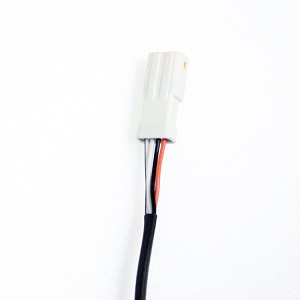
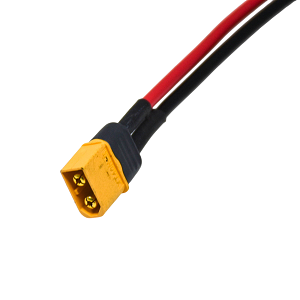
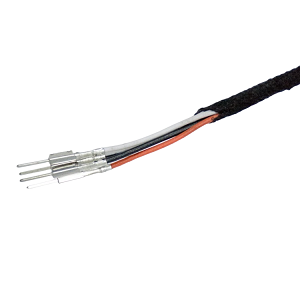
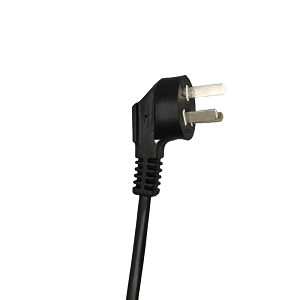
Against the backdrop of rapid iteration in the new energy vehicle industry, high-voltage electrical architectures impose stringent requirements on wiring harness systems regarding current-carrying capacity, temperature resistance, and mechanical reliability. New energy vehicle AC wiring harness customization services are designed precisely to meet these needs. Through full-process customization—from conductor material selection and insulation layering to connector termination—they address the shortcomings of standard products in electrical performance matching, space utilization, and OEM standard compliance, delivering highly reliable power transmission and signal connection solutions for complete vehicles and key components.
New Energy Vehicle AC Wiring Harness Customization: Technical Positioning and Core Value
New energy vehicle AC wiring harness customization is not simply length cutting or terminal replacement; it is a systematic engineering design centered on the vehicle's electrical architecture. Its core value lies in achieving dual assurance of electrical performance and mechanical strength: on one hand, precisely calculating conductor cross-sectional area and insulation thickness based on actual load current and voltage levels, avoiding cost waste from over-design or safety hazards from under-design; on the other hand, for environments with severe vibration and temperature cycling such as engine compartments and battery pack undersides, ensuring long-term connection reliability through customized harness fixing methods, wear-resistant sheaths, and stress relief structures. Compared to general standard products, custom solutions can fully adapt to the physical dimensions and electrical definitions of equipment interfaces, fundamentally avoiding issues such as increased contact resistance and excessive temperature rise caused by interface mismatches.
Under the trends of vehicle lightweighting and integration, custom harnesses can also achieve better electromagnetic compatibility performance and heat dissipation efficiency within limited space through optimized routing layouts and composite shielding structures. Our customization service covers multiple wire gauges, lengths, connector types, and protection levels. Temperature-resistant and flame-retardant materials should be selected based on the application environment, and detailed technical parameter tables can be provided for engineering teams to reference and compare.[(Fact 2)]
Core Technical Specifications and Material Selection Basis
The formulation of technical specifications for new energy vehicle AC wiring harness customization must strictly follow the electrical and environmental requirements of the application scenario. Regarding conductor material, we use high-purity tinned copper stranded conductors (AWG 24~6). The tin plating layer effectively prevents copper oxidation, ensuring long-term connection stability. The insulation layering scheme offers multiple grade options: PVC (105°C) for conventional temperature environments, halogen-free flame-retardant XLPE (125°C) balancing flame retardancy and heat resistance, and silicone rubber (200°C) for extreme high-temperature conditions.[(Fact 15)]The rated voltage range covers AC 100~600V / DC 5~48V, with higher voltage levels available upon request for special needs.
| Parameter Category | Technical Specifications | Selection Notes |
|---|---|---|
| Conductor Material | High-purity tinned copper stranded conductor | AWG 24~6, determined by current-carrying capacity and voltage drop requirements |
| Insulation Material | PVC / XLPE / Silicone rubber | Corresponding to 105°C, 125°C, and 200°C temperature ratings respectively |
| Rated Voltage | AC 100~600V / DC 5~48V | Higher voltage levels customizable; creepage distance must be confirmed |
| Protection Rating | IP67 / IP69K, etc. | Selected based on waterproof and dustproof requirements of the installation location |
| Connector Type | Custom | Compatible with mainstream manufacturers' high-voltage connectors and signal terminals |
Material selection requires comprehensive consideration of multiple indicators including temperature resistance, flame retardancy, oil resistance, and chemical reagent resistance. For example, harnesses located near power batteries or motor controllers should prioritize silicone rubber insulation to withstand sustained high temperatures; while segments passing through body sheet metal holes require added wear-resistant sheaths and materials with higher flame-retardant grades. We recommend that customers clearly specify the extreme temperature, humidity, and chemical exposure conditions of the application environment before customization, enabling the engineering team to precisely match the material system.
Insulation Grade Determination and Safety Margin Design for High-Power Scenarios
How to determine whether the insulation grade of AC/DC wiring harnesses meets high-power application scenarios is a critical step in engineering decision-making.[(Fact 3)]The determination basis is not a single material temperature rating, but a systematic verification combining insulation withstand voltage testing, creepage distance design, and thermal aging life assessment. First, the insulation layer must pass the corresponding dielectric withstand voltage test, ensuring no breakdown occurs under rated voltage superimposed with transient overvoltage. Second, creepage distance must be corrected based on pollution degree and altitude; in high-power-density scenarios, a voltage safety margin of no less than 20% is recommended. Finally, thermal aging life assessment must combine conductor temperature rise with the thermal endurance curve of the insulation material, ensuring no irreversible degradation of insulation performance within the expected service life.
Safety margin design also involves verification of conductor cross-sectional area. High power means high current; if the wire gauge is undersized, conductor heating will accelerate insulation aging and may even lead to conductor fracture risk. We recommend that under full-load conditions, conductor temperature rise should not exceed 70% of the insulation material's allowable long-term operating temperature, serving as the selection boundary. Additionally, the contact resistance of connector terminals must be considered—excessive contact resistance will cause localized overheating, creating potential failure points. Only through such multi-dimensional verification can long-term stable operation of the harness in high-power scenarios be ensured.
Installation Compatibility and Key Parameter Confirmation
Which key parameters need attention during AC/DC wiring harness installation to ensure compatibility directly affects the first-pass success rate of system integration.[(Fact 5)]Before installation, rated voltage, current, and wire gauge specifications must be confirmed to ensure matching with equipment interfaces. Specifically, the connector keying definitions, terminal specifications, and locking methods should be verified to avoid terminal deformation or poor contact caused by forced insertion. Meanwhile, the bending radius of the harness must meet design requirements—an excessively small bending radius can damage conductors or insulation, laying hidden risks for fracture.
We strongly recommend using original custom harnesses to ensure electrical performance and mechanical strength comply with OEM standards.[(Fact 4)]Original custom harnesses undergo strict verification in terminal crimping processes, shielding layer grounding methods, and sheath fixing structures, effectively avoiding vehicle failures caused by harness issues. Furthermore, for harnesses routed through vibration zones, the spacing of cable clamps or fixing brackets must be confirmed to comply with specifications, preventing interference and friction between the harness and surrounding components. Confirmation of the protection rating (IP rating) is equally important, especially for harnesses located in chassis or water-prone areas—both connectors and the harness body must meet corresponding waterproof and dustproof requirements.
Differentiated Practices in Typical Application Scenarios
New energy vehicle AC wiring harness customization plays an irreplaceable role in multiple core scenarios, with each scenario emphasizing different harness performance aspects.
- On-Board Charger (OBC):This scenario involves high-voltage AC input and DC output; the harness must simultaneously meet high withstand voltage and good heat dissipation requirements. XLPE insulation layering is recommended, with enhanced shielding layer design to suppress electromagnetic interference conduction.
- DC-DC Converter:Operating at higher frequencies with large current ripple, the harness must feature low inductance characteristics. Short and thick conductor paths are recommended during customization, along with low-dielectric-constant insulation materials to reduce parasitic capacitance.
- Power Battery High-Voltage Distribution Unit (PDU):This area concentrates multiple high-voltage connections, demanding extremely high flame-retardant grades and mechanical strength. The harness must use halogen-free flame-retardant materials, and the fixing and protection of each branch must be individually designed to prevent cascading failures caused by single-point faults.
- Slow/Quick Charge Ports:Frequent plugging and unplugging operations impose requirements on terminal wear resistance and insertion/withdrawal force consistency. The harness sheath must exhibit excellent flexibility, while heat generated during charging must be effectively conducted and dissipated through the conductor and insulation layers.
Addressing the differentiated needs of the above scenarios, we confirm with customers one by one during the customization process—vibration durability ratings, EMC shielding effectiveness targets, and chemical media types—ensuring the final delivered harness performs reliably under actual operating conditions.
Quality Assurance System and After-Sales Service Commitment
A comprehensive quality control process is the cornerstone of custom harness reliability. Our quality system covers three key stages: incoming material inspection, in-process monitoring, and finished product electrical performance testing. At the incoming stage, conductor resistance, insulation thickness, and material flame-retardant grades are sampled and inspected; during processing, terminal crimp height, pull force, and shielding braid density are monitored online; at the finished stage, every harness must pass continuity testing, insulation withstand voltage testing, and contact resistance testing, ensuring zero-defect products leave the factory.
Regarding warranty policy, we explicitly commit: all products enjoy a one-year warranty covering material defects, manufacturing process issues, and failure to meet performance parameters. Under normal use conditions, quality issues such as insulation aging, conductor fracture, or poor contact are eligible for free repair or replacement. Damage caused by human error, improper installation, or use beyond technical parameters is not covered by the warranty.[(Fact 1)]We recommend that customers carefully read the technical parameter table before installation and strictly use the product within rated conditions to fully enjoy warranty rights.
New Energy Vehicle AC Wiring Harness Customization FAQ
Q:??Frequently Asked Questions
A:??Answers
How are the minimum order quantity and lead time calculated for customization?
The minimum order quantity depends on harness complexity and material commonality; the standard MOQ is 100 sets. Lead time is typically 2 to 4 weeks after drawing confirmation, depending on raw material inventory status and production scheduling. Rush orders can be negotiated.
Do you provide samples and performance test reports?
Yes. The sample lead time is generally 5 to 7 working days, with continuity, insulation withstand voltage, and contact resistance test reports included with the samples. Reports from third-party testing institutions can be arranged separately.
How do I determine whether the insulation grade meets high-power application scenarios?
A comprehensive evaluation of insulation material temperature rating, dielectric withstand strength, and thermal aging life is required. Additionally, verify that conductor temperature rise is within safe limits and confirm that creepage distance and electrical clearance meet the pollution degree requirements of the application environment.
Which key parameters need attention during installation to ensure compatibility?
Confirm that rated voltage, current, and wire gauge specifications match the equipment interface, verify connector keying definitions and terminal specifications, and ensure the harness bending radius meets design requirements. Original custom harnesses are recommended to ensure OEM standard compliance.
Which failure modes are covered by the warranty? Which situations are excluded?
The warranty covers material defects, manufacturing process issues, and failure to meet performance parameters. Insulation aging, conductor fracture, and poor contact under normal use are eligible for free repair or replacement. Human damage, improper installation, and use beyond technical parameters are not covered.
How should the temperature rating of custom harnesses be selected?
It should be determined based on the combined temperature of the maximum ambient temperature at the installation location plus conductor temperature rise. PVC is suitable below 105°C, XLPE for 125°C, and silicone rubber can withstand high temperatures up to 200°C.
What is the maximum protection rating (IP rating) achievable for harnesses?
IP67 is standard; IP69K can be customized for high-pressure washing scenarios. The specific rating must be designed in conjunction with connector selection and harness outlet sealing methods.
How significant is the impact of the shielding layer on EMC performance?
The shielding layer is a critical structure for suppressing radiated emissions and improving immunity. The higher the braided shielding coverage, the more stable the shielding effectiveness. For sensitive signal harnesses, double-layer shielding or a composite structure of aluminum foil plus braid is recommended.
Can you provide flame-retardant grade certifications?
Yes. We use halogen-free flame-retardant materials that comply with UL94 V-0 grade requirements, and corresponding material flame-retardant test reports can be provided.
How is the bending life of harnesses evaluated?
Bending life is related to conductor stranding structure, insulation material flexibility, and sheath design. We can conduct dedicated bending life tests based on the bending frequency and angle requirements of the application scenario.
Do custom harnesses support special connectors?
Yes. We maintain deep cooperation with mainstream connector manufacturers and can perform termination according to customer-specified brands and models, with corresponding crimping process verification provided.
Are there special creepage distance requirements for high-voltage harnesses?
The creepage distance of high-voltage harnesses must be calculated comprehensively based on operating voltage, pollution degree, and material CTI value (Comparative Tracking Index). We provide detailed creepage distance verification reports during the design phase.
How are harness labeling and traceability managed?
Each harness carries a unique serial number label, traceable to raw material batches, production dates, and operator information. Label materials can be selected from high-temperature-resistant or oil-resistant types.
Do you support pre-assembly services for harnesses?
Yes. We can provide pre-assembly services for harnesses with connectors, relays, fuse boxes, and other components, reducing assembly steps and error risks at the customer's end.
How can I obtain a detailed technical parameter table?
Please provide your application scenario description and preliminary requirements. Our engineering team will provide a matching detailed technical parameter table for your reference, based on customization support for multiple wire gauges, lengths, connector types, and protection levels.
About Winna Technology
Winna Technology specializes in power adapters, AC/DC cable harness customization, and ultrasonic metal welding equipment R&D and manufacturing, providing one-stop OEM/ODM services.
Our products are CE/UL/FCC/CCC/RoHS certified, with an annual return rate below 0.02%, serving customers in 50+ countries and regions worldwide.
Specifications
Certifications
Products meet international safety and EMC standards
ISO 9001Quality Mgmt
IATF 16949IATF 16949
ULN America UL
CEEU Safety Certified
CCCChina CCC
RoHSRoHS Compliant
REACHEU REACH
IPC/WHMA-A-620IPC/WHMA-A-620
Q:??Frequently Asked Questions A:??Answers
Winna Technology specializes in power adapters, AC/DC cable harness customization, and ultrasonic metal welding equipment R&D and manufacturing, providing one-stop OEM/ODM services. Our products are CE/UL/FCC/CCC/RoHS certified, with an annual return rate below 0.02%, serving customers in 50+ countries and regions worldwide. Products meet international safety and EMC standardsHow are the minimum order quantity and lead time calculated for customization?
Do you provide samples and performance test reports?
How do I determine whether the insulation grade meets high-power application scenarios?
Which key parameters need attention during installation to ensure compatibility?
Which failure modes are covered by the warranty? Which situations are excluded?
How should the temperature rating of custom harnesses be selected?
What is the maximum protection rating (IP rating) achievable for harnesses?
How significant is the impact of the shielding layer on EMC performance?
Can you provide flame-retardant grade certifications?
How is the bending life of harnesses evaluated?
Do custom harnesses support special connectors?
Are there special creepage distance requirements for high-voltage harnesses?
How are harness labeling and traceability managed?
Do you support pre-assembly services for harnesses?
How can I obtain a detailed technical parameter table?
About Winna Technology
Specifications
Certifications