Ultrasonic Battery Tab Welding | Lithium Battery Cell Electrode Welding
2026-08-05 00:00:00
3
Process Overview
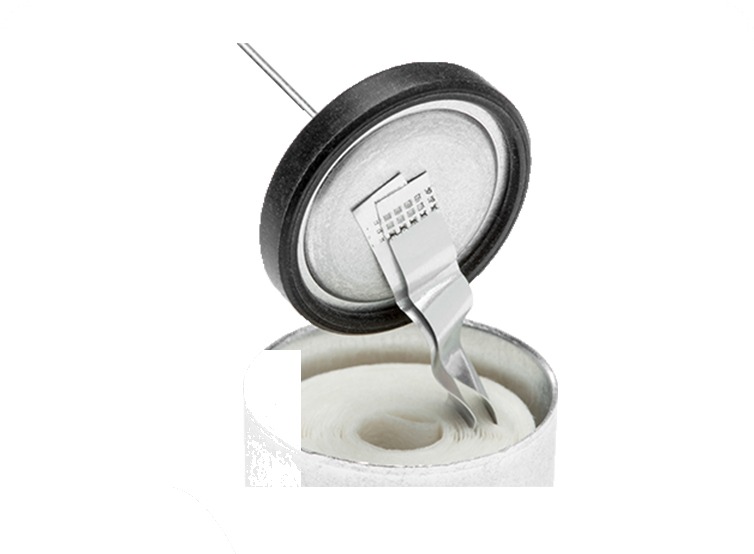
Ultrasonic battery tab welding joins multilayer aluminum or copper electrode foils to aluminum or nickel tabs in the solid state. It is a core process in lithium-ion cell manufacturing, where weld depth, electrical resistance, and consistency must be tightly controlled.
Process Specifications
| Welding type | Battery electrode foil to tab welding |
|---|---|
| Frequency | 20 kHz |
| Welding power | 1,500–2,500 W |
| Welding time | 0.2–0.4 s |
| Amplitude | 35–55 μm |
| Copper foil combination | 8–20 μm copper foil, multilayer, to 0.1–0.3 mm nickel tab |
| Aluminum foil combination | 12–20 μm aluminum foil, multilayer, to 0.1–0.3 mm aluminum tab |
| Weld fusion rate | ≥95% |
| Peel strength | ≥80% of the tab base-material strength |
| After welding | No electrode-foil cracking |
Process Advantages
An overly deep weld can damage the foil and cause an internal short circuit, while an overly shallow weld increases internal resistance. Real-time energy compensation keeps the weld energy deviation below ±3% during continuous production.
With CCD vision positioning, tab alignment accuracy reaches ±0.1 mm, meeting the production requirements of power and storage battery cells.
Applicable Cell Types
- Cylindrical cells: 18650, 2170, and 4680
- Prismatic aluminum-case cells
- Pouch cells
Sample Images
The gallery images show actual battery tab welding samples.