Ultrasonic Copper-Aluminum Busbar Welding | Dissimilar Metal Joining Process
2026-08-05 00:00:00
2
Process Overview
Ultrasonic copper-aluminum busbar welding joins copper and aluminum busbars in the solid state. The process avoids the thick brittle intermetallic layers produced by brazing or resistance welding, making it suitable for reliable dissimilar-metal connections in new-energy power systems.
Process Specifications
| Welding type | Copper-aluminum busbar to busbar welding |
|---|---|
| Frequency | 15 kHz |
| Welding power | 4,000 W |
| Welding time | 0.5–1.0 s |
| Amplitude | 55–80 μm |
| Copper busbar | 0.3–3.0 mm |
| Aluminum busbar | 0.5–4.0 mm |
| Intermetallic layer | ≤2 μm |
| Joint strength | ≥90% of the aluminum base-material strength |
| Conductivity | Contact resistance no greater than an equivalent length of the aluminum busbar |
Process Advantages
Solid-state ultrasonic welding limits copper-aluminum mixing and suppresses brittle phases such as CuAl₂ and Cu₉Al₄. This improves long-term joint stability in battery packs, energy-storage systems, and charging equipment.
Welded samples retain their performance after 48-hour salt-spray testing and thermal cycling from −40°C to +125°C.
Typical Applications
- Power-battery module busbar connections
- Copper-aluminum transition busbars in energy-storage systems
- Copper-aluminum adapters inside EV charging stations
Sample Images
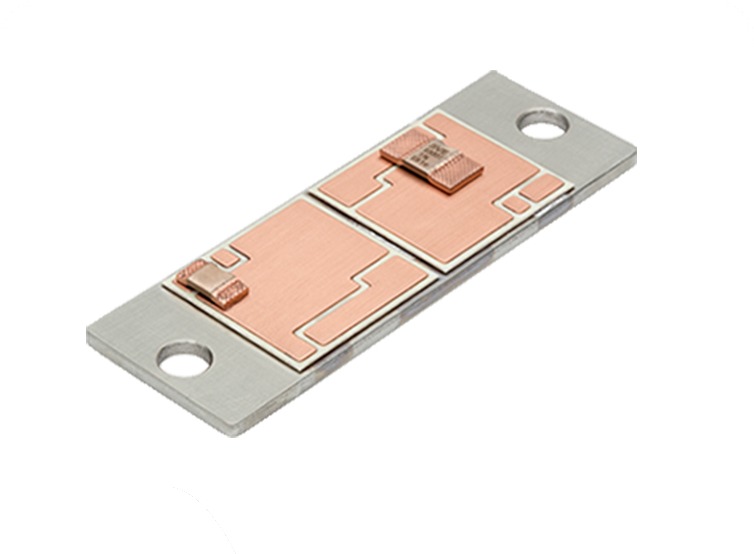
The gallery images show actual copper-aluminum busbar welding samples.